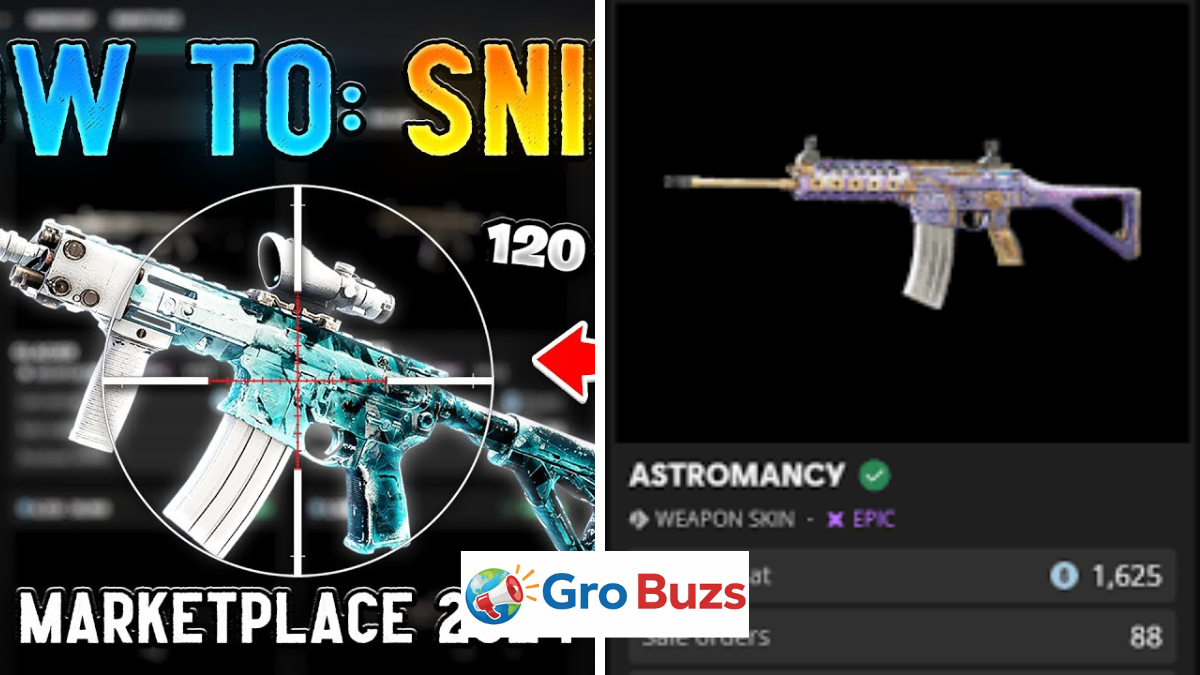
The r6 marketplace has transformed how players interact with cosmetics, turning skins, weapon charms, and uniforms into digital assets with real demand and measurable value. What was once limited to random drops and in-game purchases has evolved into a structured trading ecosystem that mirrors real-world supply and demand dynamics.
For competitive players, collectors, and casual fans alike, understanding how the r6 marketplace operates isn’t just helpful—it’s strategic. Whether you’re looking to secure rare operator skins, liquidate unused inventory, or understand pricing behavior, this guide delivers the depth and clarity needed to navigate it confidently.
What Is the R6 Marketplace and Why It Matters
The r6 marketplace refers to the official trading platform introduced for Tom Clancy’s Rainbow Six Siege, allowing players to buy and sell cosmetic items directly with other users. Instead of relying solely on random alpha pack drops or limited-time bundles, players can access a centralized system that enables secure peer-to-peer transactions using in-game credits.
This shift matters because it creates transparency, price discovery, and player-driven valuation. Rare skins that were previously locked behind time-limited events or early-season participation now have measurable market value, giving long-time players tangible return potential and new players access to previously unobtainable content.
How the R6 Marketplace Works Behind the Scenes
At its core, the system functions similarly to digital asset exchanges in other major titles. Sellers list eligible cosmetic items, set a price in R6 Credits, and buyers can accept that price or purchase immediately if demand matches supply. Transactions are processed securely through the official infrastructure provided by Ubisoft.
Unlike informal third-party trading sites of the past, this system ensures account safety, fraud prevention, and direct ownership transfers. Credits earned from sales remain within the ecosystem, reinforcing a closed-loop economy that strengthens engagement while reducing scams and gray-market risks.
Eligible Items and Trade Restrictions
Not every cosmetic item qualifies for listing. Typically, older seasonal skins, discontinued bundles, and limited-event cosmetics are eligible, while certain promotional or licensed content may remain restricted. Ubisoft’s selective eligibility maintains scarcity and preserves the integrity of special collaborations.
Trade restrictions also prevent abuse. Newly purchased items may have holding periods, and accounts must meet eligibility requirements before accessing the r6 marketplace. These safeguards help prevent bot farming, exploitative flipping, and unauthorized account activity.
The Evolution of Cosmetic Economies in Siege
When Rainbow Six Siege first launched, cosmetics were largely secondary to gameplay mechanics. Over time, however, cosmetic identity became deeply intertwined with player expression, competitive status, and nostalgia tied to specific seasons.
The introduction of structured trading formalized what players had already recognized: skins have value. Similar to marketplaces in other esports-driven titles, Siege’s ecosystem now reflects broader trends in digital ownership and community-driven economies.
Pricing Dynamics and Market Behavior
Prices fluctuate based on rarity, age, demand, and cultural significance within the community. Skins tied to early competitive seasons or discontinued esports events often command premium values due to limited supply and historical relevance.
Market behavior also responds to announcements. When Ubisoft reintroduces content or teases remasters, prices may shift rapidly. Understanding these patterns allows strategic buyers and sellers to time their moves more effectively.
Supply, Demand, and Scarcity Explained
Scarcity drives value in the r6 marketplace. Limited-time event skins, founder rewards, and early battle pass cosmetics become increasingly scarce as player bases grow and new users seek legacy items.
Demand, meanwhile, is influenced by operator popularity and meta relevance. When a specific operator rises in competitive play, associated cosmetics often see temporary price increases due to heightened visibility and desirability.
Comparison of Acquisition Methods
Below is a structured comparison of how players can obtain cosmetics in Rainbow Six Siege today.
| Acquisition Method | Cost Structure | Item Predictability | Tradeable? | Long-Term Value Potential |
| Alpha Packs | Random drop chance | Low | Sometimes | Moderate |
| Direct Store Purchase | Fixed R6 Credit price | High | Often restricted | Low to Moderate |
| Battle Pass Rewards | Tier progression | High | Limited | Moderate |
| R6 Marketplace | Player-set pricing | High | Yes | High |
| Event Packs | Paid bundles | Moderate | Often restricted | Variable |
The r6 marketplace stands out because it provides price transparency and resale opportunity, something other acquisition methods rarely offer.
Strategic Buying Approaches
Smart buyers analyze historical pricing trends before committing credits. Observing fluctuations over several weeks can reveal patterns that indicate whether an item is stabilizing, rising, or declining.
Patience is often rewarded. Prices may spike during promotional periods or esports tournaments, but cooling periods typically follow. Strategic timing helps secure high-value skins at more favorable rates.
Strategic Selling Approaches
Selling effectively requires understanding perceived value rather than personal attachment. A cosmetic that feels rare may not command a premium unless demand supports it.
Listing during high-traffic periods—such as new season launches—can improve visibility and speed of sale. Monitoring competitive meta shifts also helps determine when demand for certain operator skins may increase.
Security and Account Protection
Security remains a primary advantage of the official platform. Because transactions are processed directly within Ubisoft’s ecosystem, users avoid risks associated with third-party exchanges.
However, account hygiene still matters. Two-factor authentication, secure passwords, and caution against phishing attempts protect access to marketplace assets and accumulated credits.
Market Trends and Future Outlook
The digital asset economy continues expanding across major gaming franchises. As esports ecosystems mature, cosmetic markets increasingly resemble collectible markets with long-term appreciation potential.
Siege’s marketplace may evolve with enhanced analytics tools, broader eligibility pools, or cross-platform integration. These developments could further legitimize digital ownership within competitive gaming communities.
Community Impact and Cultural Significance
Beyond economics, the r6 marketplace influences community culture. Rare skins become conversation starters, status symbols, and nostalgic reminders of earlier competitive eras.
One industry analyst noted, “Digital cosmetic economies succeed when they empower players with transparent ownership and trust.” That sentiment captures why structured marketplaces resonate with modern gamers.
Common Misconceptions About Trading
Some players assume cosmetic trading equates to real-money cashout opportunities. In reality, credits remain within the platform, reinforcing ecosystem stability rather than enabling external profit withdrawal.
Another misconception is that every rare skin will appreciate indefinitely. Market value depends on demand; rarity alone does not guarantee sustained price growth.
Practical Scenario: A Collector’s Journey
Imagine a long-time player who joined during early seasonal releases and accumulated discontinued skins. Before the marketplace, those cosmetics held sentimental value but no liquidity.
With structured trading, that same player can strategically sell surplus items to fund new purchases, optimizing inventory while maintaining access to favorite legacy cosmetics.
Risks and Responsible Participation
While structured and secure, the r6 marketplace still involves risk. Overpaying due to hype or misjudging demand can result in locked-in credit losses.
Responsible participation means budgeting credits wisely and treating cosmetic acquisition as entertainment rather than investment speculation.
Integration With Competitive Play and Esports
Esports visibility heavily influences cosmetic desirability. When professional players showcase certain skins during tournaments, demand often surges temporarily.
Competitive exposure creates social proof. As Siege continues evolving in global competition, cosmetic identity remains part of personal brand building within ranked and professional environments.
Frequently Asked Questions
What is the r6 marketplace used for?
The r6 marketplace allows players to buy and sell eligible Rainbow Six Siege cosmetic items securely using in-game credits within Ubisoft’s official ecosystem.
Is the r6 marketplace safe to use?
Yes, the r6 marketplace operates within official systems, reducing scam risks compared to third-party trading platforms and ensuring secure ownership transfers.
Can I withdraw real money from the r6 marketplace?
No, transactions in the r6 marketplace use R6 Credits that remain inside the platform, meaning funds cannot be converted into external cash.
Do all skins qualify for the r6 marketplace?
Not all cosmetics are eligible. Ubisoft determines which items can be listed, often excluding certain promotional or licensed content.
How do I determine fair pricing in the r6 marketplace?
Reviewing recent listing trends, monitoring demand for specific operators, and observing seasonal fluctuations help determine appropriate pricing in the r6 marketplace.
Does rarity guarantee high value?
Rarity influences pricing, but demand ultimately determines value. An item in the r6 marketplace must have active buyer interest to maintain premium pricing.
Conclusion
The r6 marketplace represents a significant evolution in how Rainbow Six Siege players engage with cosmetic content. By combining structured trading, secure infrastructure, and transparent pricing, it bridges the gap between digital expression and economic interaction.
you may also read
ole miss rebels football vs georgia bulldogs football match player stats