
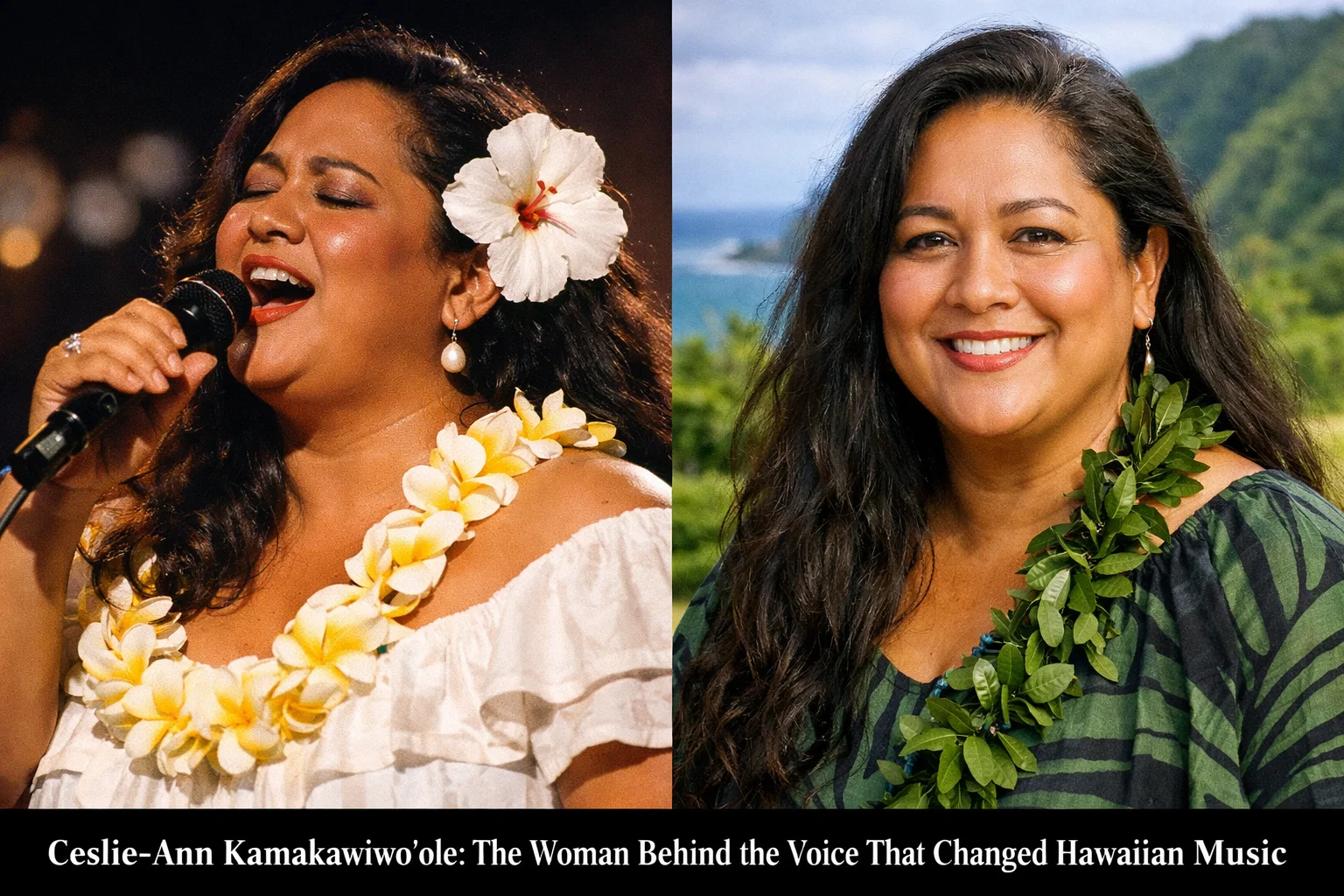
Some lives shape history not through headlines, but through presence, steadiness, and influence that radiates outward over time. That is the story of ceslie-ann kamakawiwo’ole, a woman whose life intersects deeply with Hawaiian culture, music, and identity.
Often mentioned in connection with one of Hawaiʻi’s most beloved musical figures, her story stands on its own as an example of resilience, cultural grounding, and private leadership. Understanding her life offers a fuller picture of the human foundation behind a global musical legacy.
Early Life and Cultural Roots
Born and raised in ceslie-ann kamakawiwo’ole rew up immersed in a community where family ties and cultural traditions carried deep meaning. Hawaiian values such as mālama (care), kuleana (responsibility), and aloha were not abstract ideas but lived experiences shaping daily life.
Her upbringing reflected a generation deeply connected to land, language, and extended family networks. This grounding would later become essential as she navigated public attention while maintaining personal authenticity.
Family Background and Heritage
ceslie-ann kamakawiwo’ole reflects the multicultural fabric of Hawaiʻi, where Native Hawaiian traditions coexist with broader island influences. This blend fostered adaptability without sacrificing cultural integrity.
Family elders played a central role in passing down oral history, music appreciation, and respect for ancestry. These influences shaped her worldview long before public recognition entered her life.
Meeting Israel Kamakawiwo’ole
The meeting between ceslie-ann kamakawiwo’ole occurred in a social environment rooted in shared community circles. Their connection formed naturally, grounded in mutual respect rather than celebrity or ambition.
From the beginning, their relationship reflected balance. While Israel gravitated toward music and expression, Ceslie-Ann embodied emotional steadiness and practical grounding.
Marriage and Partnership
Their marriage represented more than companionship; it was a partnership navigating the pressures of artistic life. Ceslie-Ann provided structure and emotional support during periods of creative intensity and public exposure.
Rather than stepping into the spotlight, she remained focused on family and stability. This deliberate choice preserved authenticity in both their personal and public lives.
Supporting a Rising Musical Career
As Israel’s music gained recognition, Ceslie-Ann played a crucial behind-the-scenes role. Touring schedules, media attention, and public expectations created challenges that required constant adjustment.
Her support extended beyond logistics. She helped maintain emotional equilibrium, ensuring that fame never overshadowed cultural responsibility or family values.
Life in the Public Eye
Public curiosity often focuses on artists, yet those closest to them experience visibility in quieter ways. Ceslie-Ann navigated this attention with discretion, choosing privacy over recognition.
This approach allowed her to protect family life while still honoring the cultural impact of her husband’s work. Her restraint became a form of strength.
Motherhood and Family Life
Motherhood became a central pillar in Ceslie-Ann’s identity. Raising children in Hawaiʻi while managing public scrutiny required deliberate boundaries and prioritization.
She emphasized education, cultural literacy, and emotional resilience, ensuring the next generation remained connected to their roots despite global attention.
Cultural Stewardship and Values
Ceslie-Ann’s life reflects cultural stewardship rather than performance. She upheld Hawaiian values through everyday actions, reinforcing traditions within the family unit.
This form of leadership often goes unnoticed, yet it sustains cultural continuity more effectively than public declarations.
Navigating Health Challenges in the Family
Israel Kamakawiwo’ole’s health struggles placed immense emotional demands on those closest to him. Ceslie-Ann managed caregiving responsibilities while maintaining family stability.
Her role during this period exemplified quiet resilience, balancing compassion with practical decision-making under prolonged stress.
Grief and Loss
After Israel’s passing, Ceslie-Ann faced a uniquely public form of grief. The global mourning for a cultural icon intersected with deeply personal loss.
She chose dignity and privacy, allowing space for collective remembrance without surrendering personal healing.
Preserving a Musical Legacy
Preserving Israel’s musical legacy required careful stewardship. Ceslie-Ann approached this responsibility with respect for artistic intent and cultural meaning.
Rather than commercialization, her focus remained on authenticity, ensuring that the music continued to represent Hawaiian identity accurately.
Media Portrayal and Public Curiosity
Media narratives often simplify complex lives. Ceslie-Ann resisted reduction to a single role, maintaining a clear boundary between public interest and private reality.
This approach challenged common misconceptions about celebrity families and reinforced the value of personal agency.
Influence Without Visibility
Influence does not always require visibility. Ceslie-Ann’s impact emerged through decisions, values, and consistency rather than public statements.
Her life demonstrates how leadership can operate quietly, shaping outcomes without seeking recognition.
Hawaiian Womanhood and Strength
Her story aligns with broader narratives of Hawaiian womanhood rooted in endurance, compassion, and adaptability. These qualities reflect historical patterns of matriarchal strength in island communities.
Ceslie-Ann embodies this tradition, offering a contemporary example of cultural continuity.
Relationship With Community
Despite public attention, Ceslie-Ann maintained close community ties. These relationships provided grounding and mutual support during challenging periods.
Community engagement reinforced the reciprocal nature of Hawaiian social life, where support flows both ways.
Privacy as a Conscious Choice
Choosing privacy in an age of constant exposure requires intention. Ceslie-Ann’s decision reflects a broader philosophy of self-determination.
By controlling her narrative through silence, she preserved personal integrity and family well-being.
Addressing Common Misconceptions
A common misconception is that proximity to fame equates to privilege without cost. Ceslie-Ann’s experience illustrates the emotional labor and responsibility that accompany such proximity.
Understanding this nuance deepens appreciation for the unseen contributions behind public success.
Lessons From a Grounded Life
Her life offers lessons in balance, restraint, and cultural fidelity. These principles resonate beyond celebrity contexts, applying to anyone navigating competing demands.
Ceslie-Ann’s example encourages intentional living rooted in values rather than visibility.
Intergenerational Impact
The values she upheld continue to influence younger generations. Cultural literacy, humility, and responsibility form a living legacy within her family.
This intergenerational transmission represents one of her most enduring contributions.
The Role of Women in Cultural Preservation
Women often serve as cultural anchors within families. Ceslie-Ann’s life illustrates this role through everyday practice rather than formal recognition.
Her story highlights how cultural preservation frequently occurs in private spaces.
Global Recognition and Local Identity
While Israel’s music reached global audiences, Ceslie-Ann remained anchored in local identity. This balance prevented cultural dilution amid international attention.
Her approach ensured that global appreciation did not override local meaning.
A Comparative Perspective
| Aspect | Public Perception | Lived Reality |
| Fame | Glamorous | Emotionally demanding |
| Legacy | Musical output | Family stewardship |
| Visibility | Media presence | Intentional privacy |
| Influence | Public acclaim | Quiet decision-making |
This comparison underscores the difference between outward narratives and lived experience.
A Voice of Respect
As one observer noted, “Behind every enduring legacy is someone who protects its soul.” This sentiment captures the essence of Ceslie-Ann’s role.
Her influence operates not through sound, but through stewardship and care.
Modern Relevance
In a digital age defined by exposure, Ceslie-Ann’s life feels increasingly relevant. Her commitment to privacy and values offers a countercultural model.
This relevance extends beyond Hawaiian contexts into broader conversations about identity and agency.
Conclusion
The story of ceslie-ann kamakawiwo’ole is not one of celebrity, but of presence. Her life illustrates how influence can be exercised quietly, grounded in values and cultural responsibility.
By understanding her role, we gain a fuller appreciation of the human foundations beneath one of Hawaiʻi’s most cherished musical legacies.
Frequently Asked Questions
Who is Ceslie-Ann Kamakawiwo’ole?
Ceslie-ann kamakawiwo’ole is best known as the wife of Israel Kamakawiwo’ole and a quiet steward of his cultural and musical legacy.
Was Ceslie-Ann Kamakawiwo’ole involved in music?
While not a performer, ceslie-ann kamakawiwo’ole played an essential supportive role behind the scenes throughout Israel’s career.
Why does Ceslie-Ann Kamakawiwo’ole avoid public attention?
Ceslie-ann kamakawiwo’ole has consistently prioritized privacy to protect her family and maintain personal integrity.
How did Ceslie-Ann Kamakawiwo’ole influence Israel’s legacy?
Through careful stewardship and value-driven decisions, ceslie-ann kamakawiwo’ole helped preserve authenticity in his posthumous legacy.
What can people learn from Ceslie-Ann Kamakawiwo’ole’s life?
Her life demonstrates the power of quiet leadership, cultural grounding, and intentional privacy in a public world.