
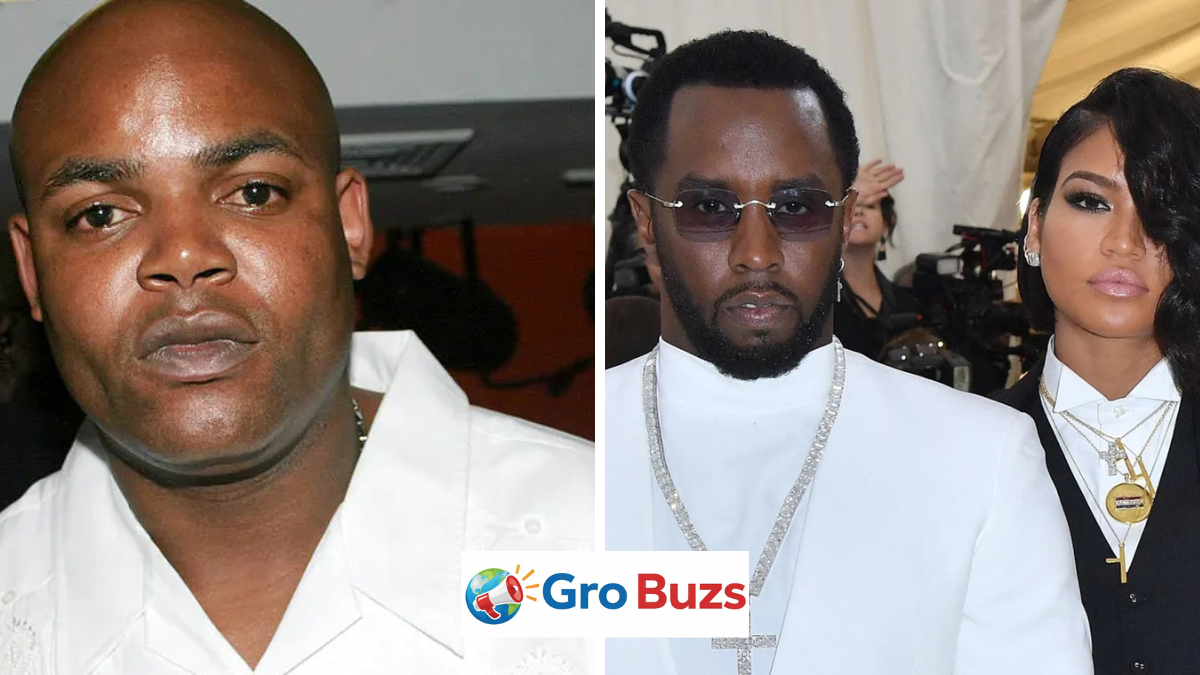
In the history of hip-hop, some figures dominate headlines while others quietly shape the industry from behind the scenes. Harve Pierre belongs firmly in the latter category. Known for his executive leadership, A&R instincts, and long-standing partnership with Sean Combs, he helped build one of the most influential music empires of the 1990s and early 2000s.
Though rarely positioned as the public face of the industry, Harve Pierre played a foundational role in the development of Bad Boy Records and the careers of numerous iconic artists. His work helped shape the sound, strategy, and global expansion of hip-hop during a critical period of its evolution. Understanding his story offers a rare look at how record executives influence culture, build talent pipelines, and guide music movements from behind the curtain.
Early Life and Cultural Influences
The story of Harve Pierre begins with a multicultural upbringing that exposed him to a diverse blend of music, identity, and urban storytelling. Growing up in New York during a time when hip-hop was rapidly evolving, he absorbed the sounds of soul, R&B, reggae, and emerging rap scenes that would later influence his professional instincts.
These early cultural influences cultivated a deep appreciation for musical authenticity. Rather than approaching the industry purely from a commercial perspective, he developed a nuanced understanding of artistic expression, community narratives, and the emotional power of music. This perspective would later become one of his most valuable assets in talent development.
Entering the Music Industry
Breaking into the music industry is rarely straightforward, and the path Harve Pierre followed was shaped by persistence, timing, and relationships. Like many influential executives of the era, he entered the industry during a time when hip-hop labels were expanding and searching for new voices.
His early exposure to label operations allowed him to observe how artists were discovered, marketed, and positioned within the broader music landscape. Rather than rushing into the spotlight, he focused on learning the mechanics of the business—an approach that would later distinguish him from many executives driven primarily by visibility.
Partnership With Sean Combs
One of the defining turning points in the career of Harve Pierre was his long-term collaboration with Sean Combs. Their partnership became a cornerstone of the creative and business operations that propelled Bad Boy Records to cultural dominance during the 1990s.
Working alongside Combs required balancing creative risk with commercial strategy. Pierre became known for his ability to evaluate talent, guide artist development, and maintain the label’s identity while navigating a rapidly changing music market.
Building the Bad Boy Records Legacy
Bad Boy Records quickly evolved into one of the most recognizable hip-hop labels in the world. Behind the energetic branding and chart-topping releases stood a network of executives and producers who shaped the label’s direction.
Among them, Harve Pierre played a crucial operational role. From coordinating A&R decisions to helping shape artist projects, he contributed to the label’s distinctive blend of hip-hop, R&B, and pop sensibilities that defined the era.
Talent Development and Artist Discovery
One of the most important contributions made by Harve Pierre involved talent development. Identifying promising artists is only the first step; nurturing their growth requires strategic guidance, emotional intelligence, and creative collaboration.
Pierre’s reputation within the industry grew because he understood how to translate raw potential into sustainable careers. By working closely with artists during recording, branding, and promotion phases, he helped build long-term success rather than short-lived hype.
Working With Legendary Artists
Throughout the rise of Bad Boy Records, the label became home to some of hip-hop’s most influential performers. Artists like The Notorious B.I.G. and Faith Evans became defining voices of their generation.
Executives such as Harve Pierre played a crucial role in shaping the collaborative environment that allowed these artists to flourish. By supporting producers, songwriters, and marketing teams, he helped maintain a creative ecosystem that produced timeless music.
The A&R Philosophy Behind Success
A&R, or artist and repertoire development, sits at the heart of every successful record label. For Harve Pierre, the process was never simply about signing artists who fit existing trends.
Instead, his philosophy emphasized authenticity, musical storytelling, and cultural resonance. By focusing on artists who could genuinely connect with listeners, he helped create projects that felt emotionally genuine rather than manufactured.
Strategic Vision in the Music Business
The music industry often rewards short-term chart success, but the most influential executives focus on long-term brand identity. Harve Pierre became known for balancing immediate commercial goals with sustainable artistic growth.
This strategic mindset allowed Bad Boy Records to evolve beyond a single musical wave. By adapting to changing market conditions while preserving the label’s identity, the leadership team ensured continued relevance across multiple eras of hip-hop.
The Role of a Record Executive
Record executives operate in a complex space between artistry and commerce. They coordinate marketing, production, distribution, and artist relationships while navigating financial realities.
Harve Pierre exemplified the modern executive who understands both sides of this equation. His ability to communicate with artists creatively while managing business logistics helped maintain trust within the label’s ecosystem.
Hip-Hop’s Expansion Into Mainstream Culture
During the 1990s, hip-hop transitioned from a niche urban movement into a dominant global culture. Record labels like Bad Boy Records were instrumental in this transformation.
Behind the scenes, executives including Harve Pierre helped design strategies that expanded the genre’s audience without diluting its identity. This balance allowed hip-hop to cross into radio, television, and international markets.
Production, Branding, and Sound Identity
A successful music label must develop a recognizable sound. For Bad Boy Records, this meant blending hip-hop beats with melodic R&B elements and polished production values.
Harve Pierre contributed to the coordination of producers, studios, and creative teams that crafted this sound. The result was a catalog of music that appealed to both hardcore hip-hop fans and mainstream audiences.
Navigating the Industry’s Competitive Landscape
The 1990s hip-hop industry was highly competitive, with numerous labels competing for talent and chart dominance. Maintaining momentum required constant innovation.
Executives like Harve Pierre helped ensure that Bad Boy Records remained competitive by identifying emerging trends, nurturing new talent, and refining the label’s brand positioning within the broader market.
Influence on Artist Branding
Modern artists function as brands that extend beyond music into fashion, media, and entrepreneurship. This concept was still evolving during the early years of hip-hop commercialization.
Through strategic planning and marketing coordination, Harve Pierre participated in shaping how artists presented themselves to audiences, ensuring their public image aligned with their music and personal identity.
Behind-the-Scenes Leadership
Not all leadership happens in boardrooms or press conferences. Some of the most impactful decisions occur during studio sessions, creative discussions, and artist mentorship.
Harve Pierre’s leadership style emphasized collaboration. Rather than imposing rigid structures, he worked closely with artists and producers to guide projects while respecting creative autonomy.
The Business Evolution of Hip-Hop Labels
As hip-hop gained commercial momentum, record labels evolved into complex multimedia businesses. Revenue streams expanded to include touring, merchandising, publishing, and licensing.
Executives such as Harve Pierre were instrumental in navigating this transformation. Their work helped labels adapt to a broader entertainment ecosystem that demanded both creativity and business sophistication.
Mentorship and Industry Relationships
The music industry thrives on relationships. Producers, artists, executives, and promoters all contribute to a network that shapes career trajectories.
Harve Pierre became known as a mentor figure within this network, supporting emerging talent and sharing insights gained from decades of experience in artist development and label operations.
Cultural Impact of the Bad Boy Era
The Bad Boy era remains one of the most culturally influential periods in hip-hop history. Music, fashion, and urban storytelling converged to shape global pop culture.
Although the spotlight often focused on artists and performers, the contributions of executives like Harve Pierre were essential in organizing the creative teams that made this cultural moment possible.
Comparing Executive Roles in Hip-Hop Labels
Understanding the influence of music executives becomes clearer when comparing responsibilities across different leadership positions within a label.
| Role | Core Responsibilities | Impact on Artists | Strategic Focus |
| Founder/CEO | Vision, financing, brand direction | Sets overall label culture | Long-term growth |
| A&R Executive | Talent scouting, project development | Direct creative collaboration | Musical authenticity |
| Marketing Director | Campaigns, promotion strategy | Audience expansion | Commercial reach |
| Operations Executive | Logistics, coordination | Supports production process | Efficiency and structure |
| Industry Leader Like Harve Pierre | Combines A&R insight with executive strategy | Artist mentorship and project shaping | Balance between creativity and business |
This breakdown highlights how executives like Harve Pierre operate at the intersection of multiple leadership roles, influencing both artistic direction and organizational strategy.
Navigating Industry Challenges
The music industry has always faced rapid change, from technological disruption to shifting consumer habits. Executives must adapt quickly while maintaining a stable environment for artists.
Harve Pierre built a reputation for resilience during periods of industry transformation. His experience navigating both creative and commercial challenges allowed him to guide artists through uncertain market conditions.
The Importance of Authentic Storytelling
One of the defining characteristics of successful hip-hop music is authentic storytelling. Audiences connect with narratives that reflect real experiences and emotions.
Executives who understand this principle play a vital role in preserving artistic integrity. By encouraging artists to remain true to their voice, Harve Pierre helped maintain the emotional authenticity that listeners value.
Lessons From Decades in the Industry
Long-term careers in the music business require adaptability, patience, and strategic thinking. Industry trends evolve rapidly, and yesterday’s formulas rarely guarantee tomorrow’s success.
The professional journey of Harve Pierre illustrates how sustained influence comes from learning, collaboration, and a willingness to evolve alongside the culture one helps shape.
Leadership Philosophy and Personal Approach
Every successful executive develops a personal leadership philosophy. For Harve Pierre, collaboration and respect have consistently defined his approach.
Rather than pursuing attention or celebrity status, he focused on enabling artists and teams to succeed. This understated leadership style helped build trust within the label environment.
A Quote Reflecting Industry Insight
Music industry leaders often emphasize the importance of passion and persistence in creative careers.
As Sean Combs once noted about the collaborative spirit behind Bad Boy Records, “Great music happens when talented people believe in the same vision.” This mindset captures the collaborative environment in which Harve Pierre worked throughout his career.
The Lasting Influence on Modern Hip-Hop
The legacy of the 1990s hip-hop boom continues to shape modern music production, marketing, and artist branding. Many of the strategies pioneered during that era remain standard practice today.
By contributing to the infrastructure and creative ecosystem that powered that movement, Harve Pierre helped lay foundations that still influence how hip-hop operates globally.
How Industry Executives Shape Culture
Music executives rarely appear on stage, yet their decisions can shape entire cultural movements. From choosing which artists to sign to guiding creative direction, their influence reaches far beyond boardrooms.
The career of Harve Pierre demonstrates how behind-the-scenes leadership can shape the sound, identity, and global expansion of a genre that now dominates popular music.
Conclusion
The music industry often celebrates its most visible stars, yet the architects behind those successes deserve equal recognition. The career of Harve Pierre illustrates how executive insight, creative sensitivity, and long-term vision can shape an entire cultural movement.
Through his work with artists, producers, and leadership teams, Harve Pierre contributed to one of the most influential eras in hip-hop history. His story offers valuable lessons about collaboration, artist development, and the power of thoughtful leadership in the music business.
Frequently Asked Questions
Who is Harve Pierre?
Harve Pierre is a music executive best known for his leadership role at Bad Boy Records, where he worked closely with Sean Combs to develop influential hip-hop and R&B artists.
What is Harve Pierre known for in the music industry?
Harve Pierre is known for his work in A&R, artist development, and executive strategy, helping shape the sound and success of the Bad Boy Records era.
Did Harve Pierre work with The Notorious B.I.G.?
Yes, Harve Pierre was part of the executive team at Bad Boy Records during the rise of The Notorious B.I.G., contributing to the creative and operational environment surrounding the artist’s career.
What role did Harve Pierre play at Bad Boy Records?
Harve Pierre served in executive and A&R roles, helping guide artist development, oversee projects, and support the label’s creative direction.
Why is Harve Pierre important in hip-hop history?
Harve Pierre is important because his behind-the-scenes leadership helped build one of the most influential hip-hop labels of the 1990s, shaping the careers of iconic artists.