
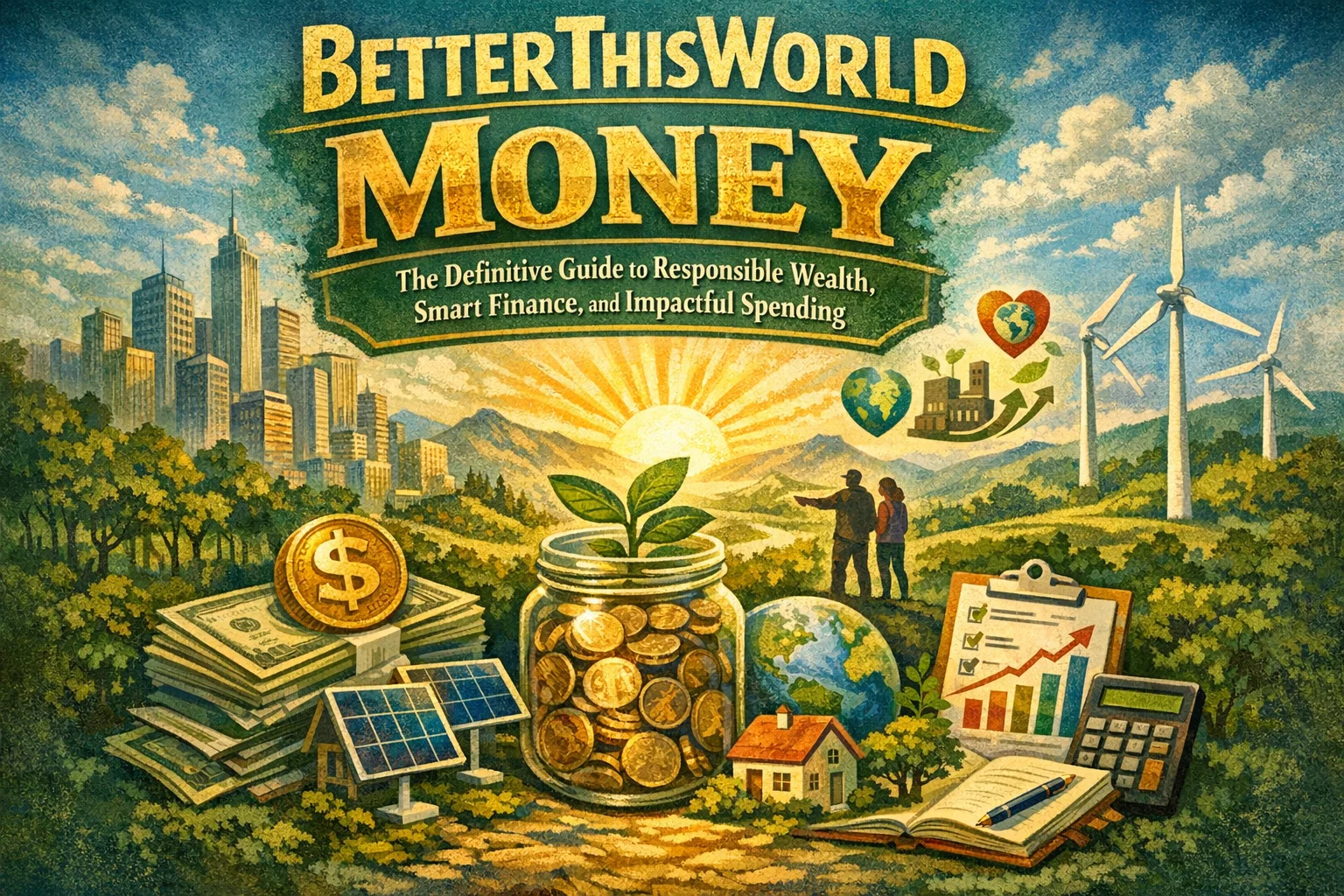
Understanding betterthisworld money is more than mastering budgeting or earning more—it’s about aligning your financial life with deeper values. In a world where money often gets framed purely in terms of profit, betterthisworld money invites a fundamental reframe: money as a tool for individual well‑being and collective good. This article goes far beyond basic financial tips. It’s a comprehensive guide to reshaping how you think about earning, spending, saving, investing, and giving—so that your financial decisions reflect a purpose bigger than your bank balance.
In these pages, you’ll discover how betterthisworld money principles can improve your personal financial health while contributing to positive change in your community and beyond. Whether you’re just starting your financial journey or looking to refine your strategy with intention and impact, this authoritative guide will equip you with practical insights, strategic frameworks, and real‑world examples that empower smarter fiscal choices.
Understanding Betterthisworld Money: What It Means and Why It Matters
betterthisworld money isn’t simply about accumulating wealth. It’s a mindset—a framework that places impact and ethical consideration at the heart of financial decision‑making. At its core, it encourages individuals to approach money with intentionality, recognizing that every dollar spent or invested influences not only personal success but also broader societal outcomes.
This concept resonates with a growing audience searching for meaning beyond conventional financial advice. It challenges the idea that financial success must come at the expense of wellbeing, community, or environmental health. By redefining money as a lever for good, advocates for purposeful choices that align income, expenses, investments, and philanthropy with values.
The Evolution of Financial Thinking: From Earnings to Impact
Traditional financial advice has long focused on “how to make more” or “how to save better.” While these questions are relevant, they fall short of addressing the deeper purpose of wealth in a rapidly changing world. betterthisworld money introduces a third layer: how can finances be used intentionally to serve values, community, and sustainability?
This evolution mirrors broader shifts in society. Increasingly, people are questioning systems that prioritize short‑term gains over long‑term wellbeing—whether in markets, careers, or personal lives. emerges from that cultural transformation, bridging practical finances with ethical considerations and inviting individuals to align personal prosperity with collective flourishing.
Core Principles of Betterthisworld Money
At its heart, betterthisworld money is supported by a set of principles that guide thoughtful financial decisions. These principles are not rigid rules but value‑anchored touchstones for responsible money management:
- Purpose First: Start by clarifying what matters most before making financial choices.
- Holistic Health: View financial health as integrated with mental, emotional, and social wellbeing.
- Impact Awareness: Recognize that every financial action has ripple effects on communities and environments.
- Sustainable Growth: Balance ambition with responsibility and long‑term sustainability.
These pillars offer a compass—not a prescriptive roadmap—because everyone’s financial journey is unique. What unites practitioners of betterthisworld money is a shared commitment to making thoughtful, purpose‑aligned fiscal choices.
How Betterthisworld Money Redefines Wealth
Wealth in the betterthisworld money framework goes beyond net worth and investment returns. It encompasses financial capability, freedom, generosity, and influence. Wealth becomes a means to achieve wellbeing, support others, and protect the planet.
This redefinition shifts the focus from accumulation to stewardship. Instead of asking “How can I have more?” the betterthisworld mindset prompts “How can I use what I have to contribute meaningfully?” This subtle but powerful shift reshapes financial goals in ways that enrich life not just materially but in terms of purpose and connection.
Betterthisworld Money Strategies for Everyday Life
Implementing betterthisworld money begins with small, intentional steps taken consistently. Here are key practice areas:
- Budgeting with Purpose: Design budgets that reflect priorities—not just expenses.
- Conscious Consumption: Evaluate purchases based on value and impact.
- Purpose‑Driven Investing: Align portfolios with environmental, social, and governance (ESG) values.
- Giving with Intent: Approach charity and philanthropy strategically, maximizing impact.
Rather than rigidly cutting costs, encourages thoughtful spending that enhances quality of life and aligns with values. This mindset reduces guilt around finances and creates a positive, empowered approach to money.
The Betterthisworld Money Framework at a Glance
To provide structured clarity, the table below breaks down key elements of betterthisworld money alongside traditional financial approaches and value‑aligned alternatives.
| Financial Dimension | Traditional Approach | Betterthisworld Money Approach |
| Earning | Prioritize high income only | Prioritize meaningful work and income stability |
| Budgeting | Track expenses to cut costs | Track expenses to align with values and purpose |
| Consumption | Maximize utility of purchases | Evaluate purchases through impact and sustainability lens |
| Saving | Save for future goals | Save mindfully with purpose and balance |
| Investing | Maximize return | Maximize aligned, responsible returns with ethical filters |
| Giving/Philanthropy | Optional or ad hoc | Strategic giving with measurable impact |
| Wealth Mindset | Accumulation focused | Stewardship oriented |
| Risk Tolerance | High risk for high gain | Balanced risk with long‑term impact considerations |
| Financial Success Definition | Net worth, income | Wellbeing, contribution, influence |
This structured insight shows how betterthisworld money reframes traditional tactics into value‑centered strategies, helping individuals build financial systems that support personal growth and collective wellbeing.
Betterthisworld Money and Budgeting: Building a Purposeful Plan
Budgeting often gets portrayed as restrictive, but in the context of , it becomes liberating. A purpose‑driven budget helps you allocate resources to what truly matters.
Start by identifying your core values—health, family, education, sustainability, community—and then align your spending categories with those priorities. Rather than cutting everything equally, evaluate where money supports your purpose and where adjustments can free up funds for meaningful goals.
This approach transforms budgeting from reactive cost‑cutting to proactive life‑design. It reduces financial stress and increases clarity around spending decisions, ultimately supporting both wellbeing and impact.
Conscious Consumption and Betterthisworld Money
Conscious consumption is central to betterthisworld money. It involves evaluating purchases not just for need but for impact and longevity. This doesn’t mean austerity—it means quality over quantity.
Consider the long‑term value and implications of every purchase. Are you supporting sustainable brands? Does this item bring measurable benefit? Could you repair rather than replace? Over time, conscious consumption strengthens financial resilience and reduces wasteful spending, aligning your behavior with your beliefs.
Investing With Purpose: Using Betterthisworld Money to Create Change
Investing can be one of the most powerful expressions of betterthisworld money. Purpose‑aligned investing doesn’t sacrifice financial return; it simply adjusts criteria to include ethical, social, and environmental factors.
Environmental, Social, and Governance (ESG) investing, impact funds, and community development finance are examples of how money can fuel positive change. Investors who embrace these strategies often find deeper satisfaction in knowing their capital supports innovation, sustainability, and justice.
“Investing isn’t just about dollars and cents; it’s about directing capital toward the future you want to see,” says financial expert and impact investor Nadia Patel. This perspective captures the heart of money with meaning.
Saving for What Matters: Betterthisworld Money’s Approach to Resilience
Savings are the foundation of financial resilience. In the betterthisworld money framework, saving isn’t just for emergencies or retirement—it’s also for purpose: a sabbatical, a mission trip, a down payment on community property, or backing for a social enterprise.
A balanced saving strategy includes:
- Emergency reserves for security
- Purpose funds for personal growth and mission
- Long‑term wealth building aligned with values
By diversifying the intention behind savings, individuals maintain financial stability while staying connected to their deeper goals.
Giving Back: Philanthropy and Betterthisworld Money
Giving isn’t just generous—it’s strategic in the betterthisworld money philosophy. Thoughtful philanthropy considers needs, impact metrics, and sustainability. Instead of one‑off donations, many practitioners track outcomes and choose causes where their support can catalyze change.
Whether it’s local community efforts or global movements, giving with clarity reinforces the idea that money is a tool to uplift others, not just a personal asset.
Betterthisworld Money for Families: Raising Money‑Wise Kids
Teaching children about money through the lens of impact fosters financial responsibility and compassion. Conversations about betterthisworld money go beyond allowance and savings—they address purpose, choices, and consequences.
Parents can model conscious consumption, explain why certain purchases matter, and involve kids in giving decisions. This early exposure builds emotional intelligence around money and sets a foundation for financially grounded, values‑driven adults.
Overcoming Common Misconceptions About Money and Impact
There are several prevalent myths that hold people back from adopting a betterthisworld money mindset:
- Myth: “Purpose‑aligned finances mean lower returns.”
Reality: Many impact investments perform competitively with traditional assets. - Myth: “Intentional money is only for the wealthy.”
Reality: Financial intention applies at all income levels. - Myth: “Giving means sacrificing personal goals.”
Reality: Strategic giving enriches life purpose without undermining personal security.
Clarifying these misconceptions helps people make informed, empowered financial choices that resonate with their values.
Case Studies in Betterthisworld Money
Consider the story of Ayesha, a mid‑career professional who restructured her finances around her values. By switching to purpose‑aligned investments and reallocating discretionary spending toward community impact, she increased her satisfaction with her financial life, reduced stress, and amplified her philanthropic impact—all without compromising financial stability.
Similarly, a young entrepreneur named Karim used betterthisworld money principles to launch a social enterprise that reinvests profits into local education. By integrating mission into his business finances, he created sustainable revenue and community benefit simultaneously.
These examples underscore that intentional, value‑driven money choices lead not just to financial success but to meaningful contribution.
Measuring Success With Betterthisworld Money
Unlike traditional finance metrics centered on net worth or return rates, success in betterthisworld money includes qualitative measures:
- Personal wellbeing and fulfillment
- Positive impact on community
- Alignment between daily decisions and core values
- Resilience and adaptability
Success becomes holistic, integrating financial health with life satisfaction and legacy.
Challenges and Pitfalls to Avoid
Adopting a betterthisworld money mindset isn’t without challenges. Some people struggle with balancing purpose and practicality, while others may feel overwhelmed by the research needed for impact investing or ethical spending.
To navigate pitfalls:
- Start small and build gradually
- Seek advisors with values alignment
- Focus on learning rather than perfection
These strategies make the transition to purpose‑driven money management attainable and sustainable.
Trends Shaping the Future of Betterthisworld Money
Financial landscapes are evolving, and betterthisworld money reflects broader trends:
- Growth in ethical and impact investing
- Expansion of financial literacy movements
- Increased consumer interest in sustainability
- Technology enabling transparent impact tracking
These trends point to a future where money is increasingly viewed through lenses of responsibility, equity, and long‑term wellbeing.
Conclusion
betterthisworld money reframes how we think about finances. It challenges us to approach money not as an end but as a means—a powerful tool that can enhance personal wellbeing, support community, and promote sustainability. By integrating purposeful budgeting, conscious consumption, impact investing, strategic giving, and values‑aligned saving, individuals can cultivate financial lives that are intentional, resilient, and deeply impactful. This framework doesn’t demand perfection but invites thoughtful, consistent choices that reflect who you are and what you seek to contribute to the world.
Frequently Asked Questions
What is betterthisworld money?
betterthisworld money refers to a financial philosophy that emphasizes aligning money management with personal values, impact, and purpose, beyond income and wealth accumulation.
How does betterthisworld money differ from traditional budgeting?
While traditional budgeting focuses on tracking expenses and saving, betterthisworld money budgeting aligns spending with values and purpose for intentional life design.
Can betterthisworld money strategies work for people at any income level?
Yes, betterthisworld money principles apply to all income levels because the focus is on intentional, value‑aligned decisions rather than specific dollar amounts.
Is betterthisworld money investing only for ethical reasons?
Investing within the betterthisworld money framework centers on aligning investments with impact goals, not sacrificing financial returns.
How can I start practicing betterthisworld money today?
Begin with defining your values, aligning your budget with priorities, and exploring purpose‑driven savings or investments to reflect your intentional financial goals.