
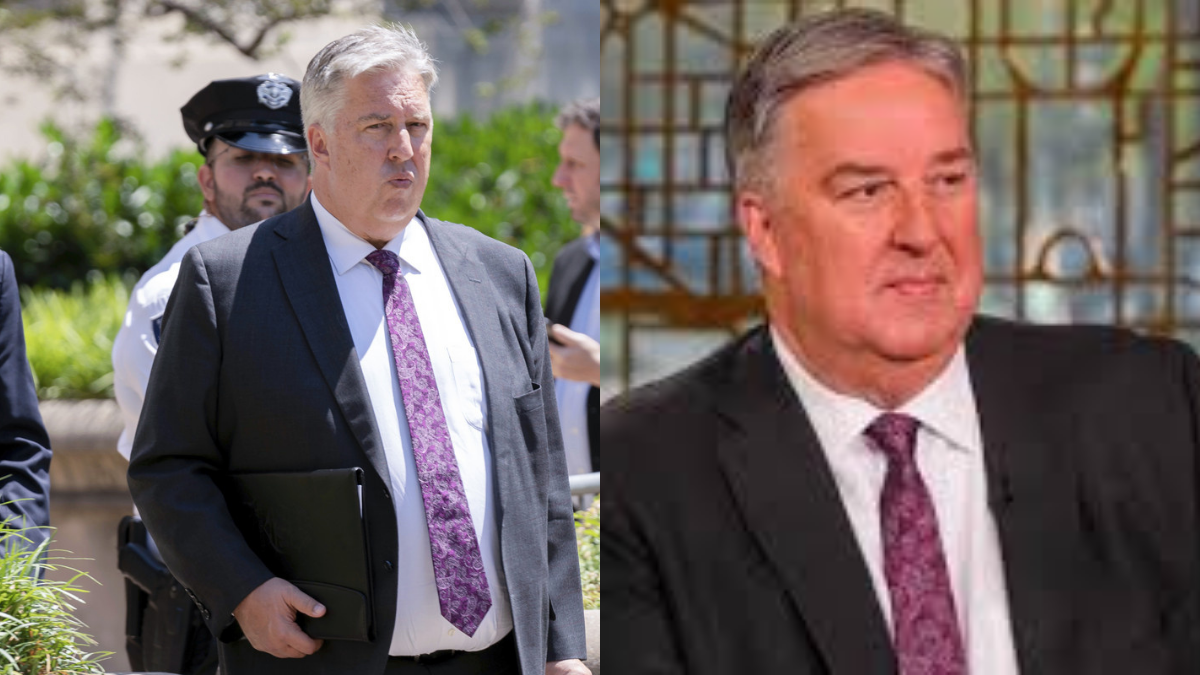
In the evolving landscape of American law and public accountability, few legal professionals have attracted as much sustained attention as Jim Trusty. Known for his work in complex federal cases and high-stakes political matters, his career reflects how modern litigation intersects with media scrutiny, institutional trust, and strategic advocacy. Understanding his professional trajectory offers insight into how elite attorneys navigate pressure, precedent, and public perception in equal measure.
This in-depth guide explores the background, legal philosophy, and broader impact associated with Jim Trusty, positioning the discussion within today’s legal, political, and cultural environment. The goal is to provide a definitive, practical, and authoritative resource that clarifies both who he is and why his work continues to generate discussion across legal and public spheres.
Professional Background and Legal Foundations
Jim Trusty’s legal foundation is rooted in traditional prosecutorial training, emphasizing evidentiary discipline, procedural rigor, and institutional accountability. Early in his career, he developed a reputation for mastering complex case records, a skill that later became essential when handling matters involving federal investigations and national attention.
This background positioned Jim Trusty to move fluidly between roles, understanding not only how cases are built by prosecutors but also how they can be challenged by defense counsel. That dual perspective has shaped his approach to litigation, particularly in environments where legal outcomes are inseparable from public interpretation.
Experience as a Federal Prosecutor
As a former federal prosecutor, Trusty operated in settings where precision and restraint are essential. Federal cases demand adherence to strict standards of proof, and missteps can carry long-term implications for both defendants and institutions. His prosecutorial experience sharpened his ability to assess risk, evaluate evidence, and anticipate opposing strategies.
For Jim Trusty, this phase of his career established credibility within the legal community. It also provided an insider’s understanding of how federal agencies prioritize cases, allocate resources, and frame narratives—knowledge that later informed his defense strategies in high-profile representations.
Transition to High-Profile Defense Work
Moving from prosecution to defense is not uncommon, but few attorneys manage the transition under intense public scrutiny. Trusty’s shift into prominent defense roles required recalibrating his professional posture while maintaining analytical rigor and ethical boundaries.
In this phase, Jim Trusty demonstrated an ability to articulate complex legal arguments in accessible terms, a skill increasingly necessary in cases followed closely by the public. His work illustrates how modern defense attorneys must balance courtroom advocacy with external communication realities.
Legal Philosophy and Strategic Approach
At the core of Trusty’s legal philosophy is procedural fairness. Rather than relying solely on rhetorical flourish, his arguments often emphasize due process, statutory interpretation, and the limits of prosecutorial authority. This approach resonates in cases where legal overreach is a central concern.
For Jim Trusty, strategy is not about spectacle but structure. By grounding arguments in established legal principles, he aims to create defensible positions that withstand appellate review and public examination alike.
Role in Politically Sensitive Cases
Representing clients involved in politically sensitive matters introduces layers of complexity beyond standard litigation. These cases often unfold alongside media cycles, partisan debate, and institutional scrutiny, requiring heightened strategic discipline.
In such contexts, Jim Trusty has operated as both legal advocate and stabilizing presence, reinforcing the distinction between legal facts and political narratives. His work underscores how attorneys can help maintain procedural integrity even amid polarized environments.
Media Presence and Public Interpretation
Modern legal practice increasingly intersects with media interpretation, especially in nationally followed cases. Trusty’s measured media engagement reflects an understanding that statements made outside courtrooms can influence public perception without altering legal standards.
For Jim Trusty, media presence is less about persuasion and more about clarification. By focusing on legal process rather than speculation, he exemplifies how attorneys can contribute constructively to public understanding while protecting client interests.
Ethical Considerations in High-Visibility Law
Ethics remain central to Trusty’s professional identity. High-visibility cases amplify ethical risks, from conflicts of interest to misinterpretation of intent. Maintaining professional integrity under such conditions requires constant vigilance.
Jim Trusty’s adherence to ethical norms reinforces trust within the legal system, demonstrating that advocacy does not require compromising foundational principles. This commitment is especially significant when representing controversial clients.
Comparison of Prosecutorial and Defense Perspectives
The contrast between prosecutorial and defense perspectives highlights the value of Trusty’s career path. Understanding how cases are built and challenged allows for more nuanced advocacy and strategic foresight.
Below is a structured comparison illustrating how these perspectives differ and intersect in practice:
| Dimension | Prosecutorial Perspective | Defense Perspective |
| Primary Objective | Establish guilt beyond reasonable doubt | Protect client rights and challenge evidence |
| Evidence Evaluation | Emphasis on admissibility and sufficiency | Scrutiny of collection, context, and credibility |
| Narrative Framing | Cohesive theory of the case | Identification of gaps and alternative explanations |
| Institutional Role | Uphold public interest | Safeguard individual liberties |
For Jim Trusty, navigating both sides enhances analytical balance and strategic depth.
Influence on Legal Discourse
Beyond individual cases, Trusty’s work contributes to broader legal discourse about prosecutorial limits, defense rights, and institutional accountability. His arguments often echo in scholarly commentary and professional discussion.
Jim Trusty exemplifies how experienced practitioners can shape legal norms not through legislation but through consistent, principled advocacy that influences interpretation and application of the law.
Public Trust and Legal Institutions
Public confidence in legal institutions depends partly on the conduct of those who operate within them. Attorneys who demonstrate transparency, competence, and ethical restraint contribute to systemic legitimacy.
Through his career, Jim Trusty has reinforced the idea that robust defense work strengthens, rather than undermines, the justice system. By insisting on procedural fairness, he supports institutional credibility.
Strategic Communication in Legal Advocacy
Effective legal advocacy today often includes strategic communication beyond filings and hearings. Trusty’s approach highlights the importance of aligning legal messaging with factual accuracy and professional tone.
For Jim Trusty, communication is an extension of advocacy, ensuring that legal positions are not distorted as they move into public discourse. This alignment reduces misunderstanding and preserves the integrity of legal arguments.
Case Preparation and Analytical Rigor
High-stakes cases demand exhaustive preparation. Trusty’s reputation for analytical rigor reflects meticulous review of records, anticipation of counterarguments, and strategic sequencing of motions.
This disciplined preparation allows Jim Trusty to respond effectively under pressure, reinforcing the importance of groundwork in achieving favorable legal outcomes.
Addressing Misconceptions About Defense Attorneys
A common misconception is that defense attorneys endorse their clients’ actions. Trusty’s career illustrates the distinction between representation and endorsement, a foundational principle of the adversarial system.
By upholding this distinction, Jim Trusty helps clarify the ethical role of defense counsel, reinforcing why robust representation is essential regardless of public sentiment.
Perspective on Federal Investigations
Federal investigations often unfold over extended periods, testing patience and resources. Trusty’s experience underscores the importance of strategic timing, procedural challenges, and measured responses.
For Jim Trusty, understanding investigative mechanics allows for proactive defense strategies that protect client rights without obstructing lawful inquiry.
Quote on Legal Integrity
As one legal commentator observed, “The strength of a justice system is measured not by whom it prosecutes, but by how rigorously it protects the rights of all involved.” This sentiment aligns closely with Trusty’s professional posture and strategic emphasis.
The quote encapsulates why Jim Trusty’s approach resonates within legal circles focused on institutional balance and fairness.
Adaptation to an Evolving Legal Landscape
The legal profession continues to evolve alongside technology, media, and political polarization. Trusty’s adaptability reflects an awareness that effective advocacy must respond to these shifts without sacrificing core principles.
By integrating traditional legal analysis with modern contextual awareness, Jim Trusty remains relevant in a rapidly changing professional environment.
Mentorship and Professional Example
Experienced attorneys influence the profession not only through cases but through mentorship and example. Trusty’s career offers a model of disciplined advocacy, ethical clarity, and strategic patience.
For younger practitioners, Jim Trusty represents how sustained credibility is built over decades, not moments of visibility.
Conclusion
The career of Jim Trusty illustrates the complex role of the modern high-profile attorney. Balancing legal rigor, ethical responsibility, and public scrutiny requires more than technical skill; it demands judgment, restraint, and strategic clarity.
As legal systems face increasing pressure from political and media forces, the principles demonstrated by Jim Trusty—procedural fairness, disciplined advocacy, and institutional respect—remain essential benchmarks for professional excellence.
Frequently Asked Questions About Jim Trusty
Who is Jim Trusty?
Jim Trusty is an American attorney known for his work as a former federal prosecutor and a defense lawyer in high-profile cases, combining prosecutorial insight with strategic defense advocacy.
What is Jim Trusty known for professionally?
Jim Trusty is recognized for representing clients in complex federal and politically sensitive matters, where legal strategy and public understanding often intersect.
How does Jim Trusty approach legal defense?
Jim Trusty emphasizes procedural fairness, evidentiary scrutiny, and ethical restraint, focusing on strong legal foundations rather than media spectacle.
Why is Jim Trusty considered influential?
Jim Trusty’s influence stems from his ability to navigate high-stakes cases while reinforcing core legal principles that support public trust in the justice system.
What can legal professionals learn from Jim Trusty?
Legal professionals can learn from Jim Trusty’s disciplined preparation, balanced communication, and commitment to ethical advocacy under intense scrutiny.